

The Best 2 Night Trek in Wrangell St. Elias National Park
You never know what awaits you when you venture into Wrangell-St. Elias National Park.
I had an incredible summer in McCarthy, Alaska. It was a summer of friendship, incredible growth, and stolen moments of deep solitude. It is not an easy place to leave, and I felt I needed one final adventure before heading back to the lower 48.
Pilot Keane and I have a tradition (this is year 2) of doing a point-to-point backpacking trip somewhere neither of us has been before. So, to cap the season and continue the tradition, we decided to tackle the Steamboat Hills Traverse in late August.
Wanting plenty of time to enjoy the journey, we planned a leisurely three-day trip covering approximately 15 miles. I’m always nervous going into the backcountry, but I felt more confident this year and was excited about the trip.
The Steamboat Hills are named for the steam-powered boats that navigated the Chitina River Gorge during the early 20th century. These vessels carried prospectors, traders, freight, construction materials, and mining equipment along the Copper and Chitina Rivers before the railroad was completed. Today, the steamboats are long gone, but access is still possible by bush plane.
Keane flew me to the Steamboat Hills East airstrip in a Super Cub first. Because I was dropped off first, I had a couple of glorious hours alone at the strip. It is always quite a moment when a plane drops you off in the middle of nowhere and flies away. For me, this is the point when the internal questions begin-did I bring the right equipment? Will the weather turn? Are there any bears nearby? Once I answered my own questions and settled into my new surroundings, the feelings of vulnerability turned into exhilaration. I hiked up a nearby ridge and was rewarded with a stunning view of Mount Blackburn towering 16,390 feet above sea level. Before long, clouds rolled in and swallowed the peak, reigniting my weather questions. But soon after, I heard the soft buzz of a Cessna 185 carrying my hiking partner, Keane, back.
Around 1:00 p.m., we headed west toward a predetermined campsite marked on our map. Compared to some of our previous adventures, this stretch of hiking felt remarkably mellow. Flocks of American pipits flew overhead, singing their breeding songs, while ptarmigan scurried through the alpine meadows around us. Although most wildflowers had faded by late summer, hardy ground cover still displayed patches of color.
After about 4.5 miles, we reached a lake and found a flat, comfortable campsite. We prepared our dehydrated dinners and watched a beautiful sunset while sipping tea beside the water.
The next morning, we lingered by the lake, drinking coffee and reflecting on the end of our summer season in McCarthy. With only a modest distance to cover that day, there was no reason to rush.
We finally set off around 10:00 a.m., choosing to stay high on the ridges and avoid the bushwhacking that often accompanies travel near the creeks. The morning was defined by spectacular views of the Wrangell and St. Elias Mountains.
At one point, we could see three peaks over 16,000 feet: Mount Sanford, Mount Blackburn, and Mount Bona and Mount Wrangell, the only active volcano in the National Park.
Eventually, we encountered a high talus field with a steep, unsettling slope. The crossing served as a reminder that we were deep in Alaska’s wilderness. After all, it wouldn’t be a hike in this national park without at least one section that makes you question your life choices. Keane and I joked that before this section we were worried the hike was going to be too easy.
The talus slope was just about the angle of repose (the steepest angle at which a sloping surface formed of a particular loose material is stable). So, upon walking on the rocks, they started shifting downhill. Not exactly a great feeling for a hiker. Keane and I talked through the best route, choosing the “least steep” angle and going slowly. Soon, the talus was in our rearview mirror.
Beyond the talus field, we entered what felt like a “Land of Lakes.” Clear water shimmered in varying shades of blue and green. Nearly every lake we passed tempted us to stop, offering ideal tent sites, easy water access, and the possibility of a refreshing mountain swim. Still, we pressed on, not wanting the day to end too early.
At one point we were hiking along more talus and a curious friend emerged from the rock. He popped out and stared at us for a few seconds before disappearing again. Luckily, he came out a few more times to get a better look at us and I was able to capture him with my camera.
Our friend was still wearing his brown summer coat. In the winter, short-tailed weasels turn completely white, perfectly camouflaged with the snow.
By late afternoon, we reached the lake we had identified during our trip planning, and it exceeded our expectations. A rock glacier poured into the far end of the lake, while near our campsite the water spilled over a waterfall into a lower basin. I swam in the upper lake while Keane chose the lower one. The water was cold but surprisingly comfortable, making for a refreshing end to the day.
After another hearty meal, we retreated to our separate campsites for the evening.
As the wind faded, the lake became perfectly still, transforming into a mirror that reflected the surrounding rocks and mountains. I sat by the shoreline reading my book until sleep finally called me to bed.
The following morning, I woke first. I enjoyed a quiet cup of coffee and spent some more time reading by the lake. Clouds hid the sun, so I decided to skip another swim.
By midmorning, we packed up and began the final stretch toward the airstrip.
After crossing one last sketchy talus slope, we arrived at the final plateau, where we were once again greeted by the songs of the pipits.
As we waited for our plane, Keane and I agreed that the Steamboat Hills Traverse is one of the park’s hidden gems. For those seeking solitude, stunning alpine scenery, and a rewarding point-to-point route that can be completed in a few days, the Steamboat Hills Traverse is hard to beat.
Can’t wait to see what adventures summer 2027 brings us! There certainly are infinite possibilities in Wrangell St.-Elias National Park!
Why hike the Steamboat Hills Traverse?
A few reasons to put this one on your list:
Solitude: The Steamboat Hills don't see much foot traffic. There's more than a good chance you'll spend the better part of three days without seeing another person. Not a bad trade for a little extra effort getting there.
Swimming holes: Remote alpine lakes, rock glaciers, and cold, clear water. Bring your swimsuit. Or don't. Nobody's judging.
360-degree views: Big, unobstructed views of the Wrangell and St. Elias Mountains, including some of the tallest peaks in Alaska.
Wildflowers: Open alpine meadows, hardy late-season blooms.
Manageable mileage: Around 15 miles over three days or less. Enough walking to feel like you've gone somewhere, but plenty of time to linger, explore, and enjoy camp.
A good first taste of Alaska backpacking: A relatively short point-to-point route that offers remote airstrip access, off-trail travel, alpine terrain, and a real sense of wilderness without requiring a week-long commitment.
It's not exactly a walk in the park (there are a few talus slopes that will remind you of that), but if you're looking for a short backcountry trip with big views, quiet campsites, and more lakes than you'll know what to do with, the Steamboat Hills are hard to beat.
Ready to Fly Over Wrangell-St. Elias National Park?
With over 30 years of safe, unforgettable journeys, our experienced pilots are your trusted guides to America’s largest national park. Experience the unparalleled beauty of Wrangell St.-Elias National Park with Wrangell Mountain Air. From flightseeing tours to backcountry adventures, we’ll fly you to Alaska’s most remote and stunning destinations. We make wilderness accessible!
Book your flight today and let the adventure begin!
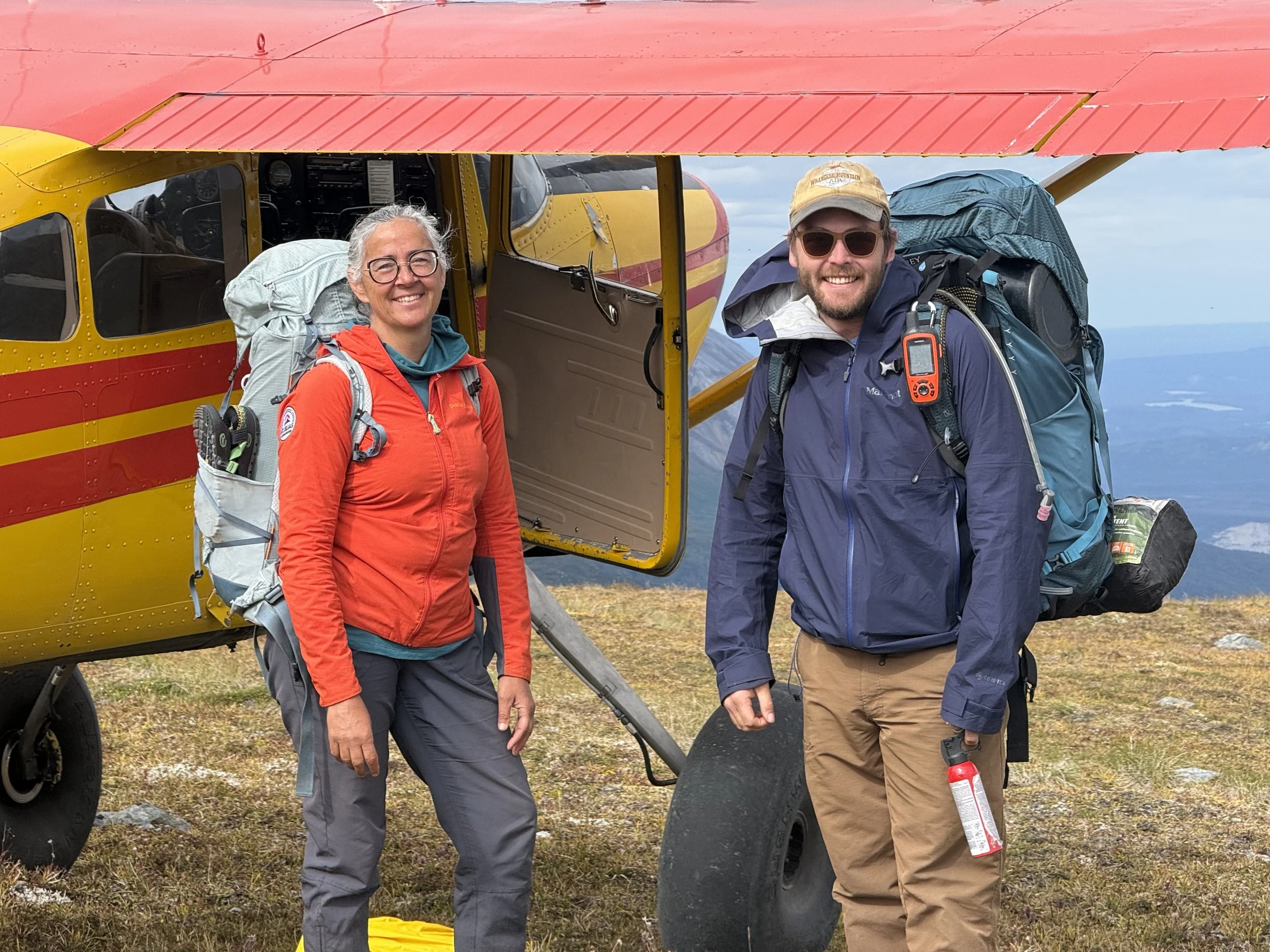
Our intrepid adventurers - Molly & Keane getting ready to set off at Steamboat Hills!
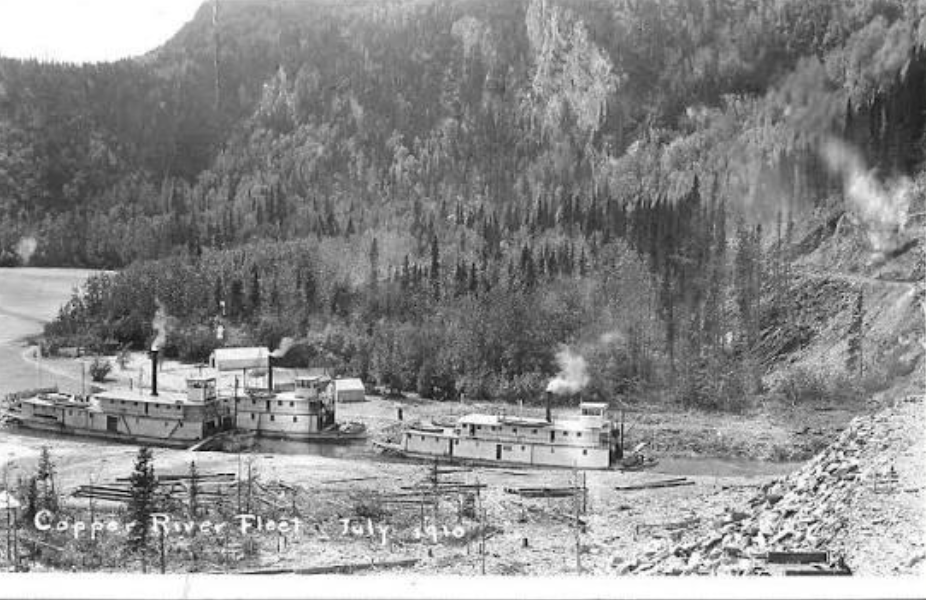
The steamboats carried prospectors, traders, freight, construction materials, and mining equipment along the Copper and Chitina Rivers during the early 20th century before the railroad was completed.
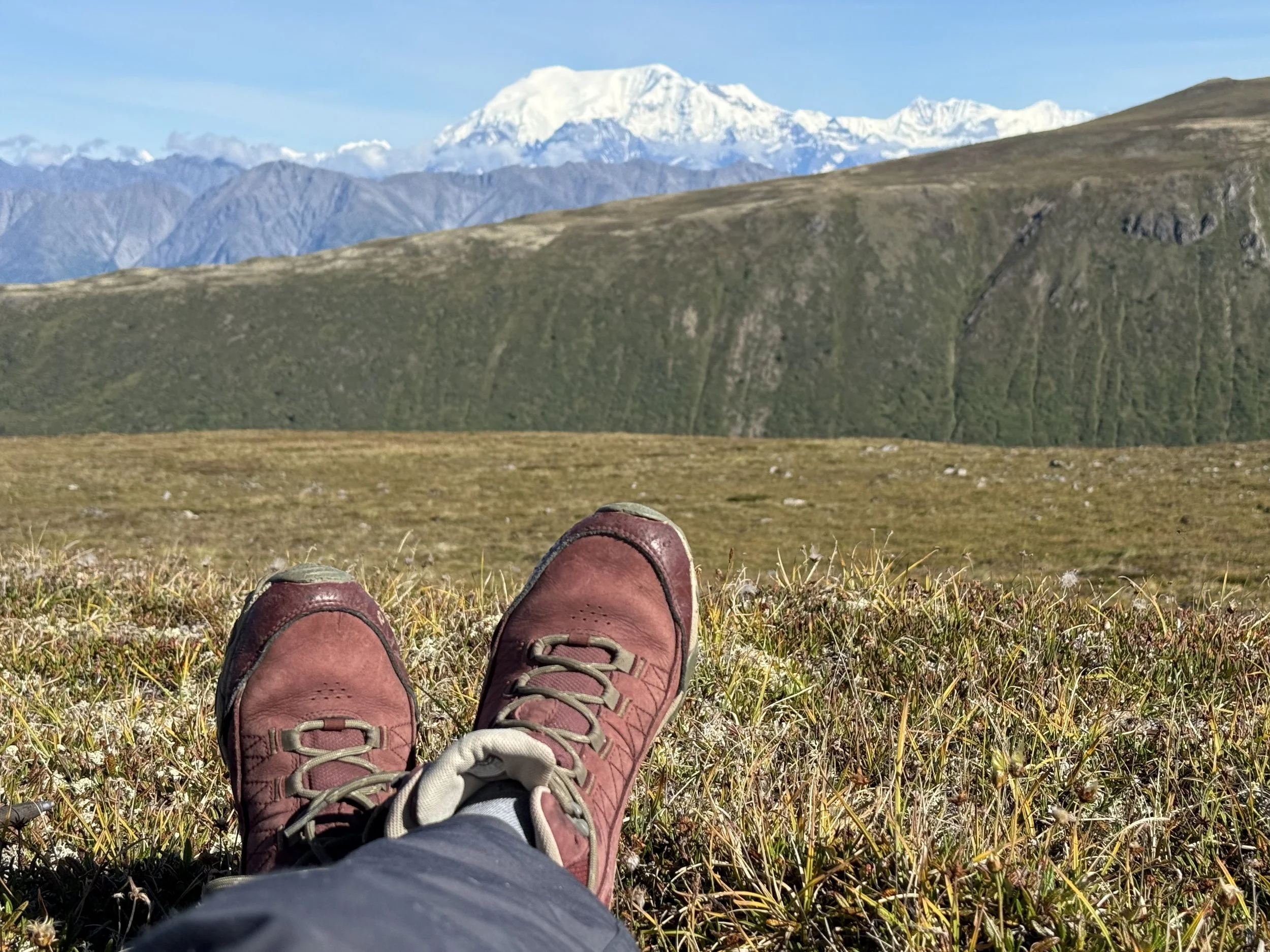
A relaxing moment with Mount Blackburn
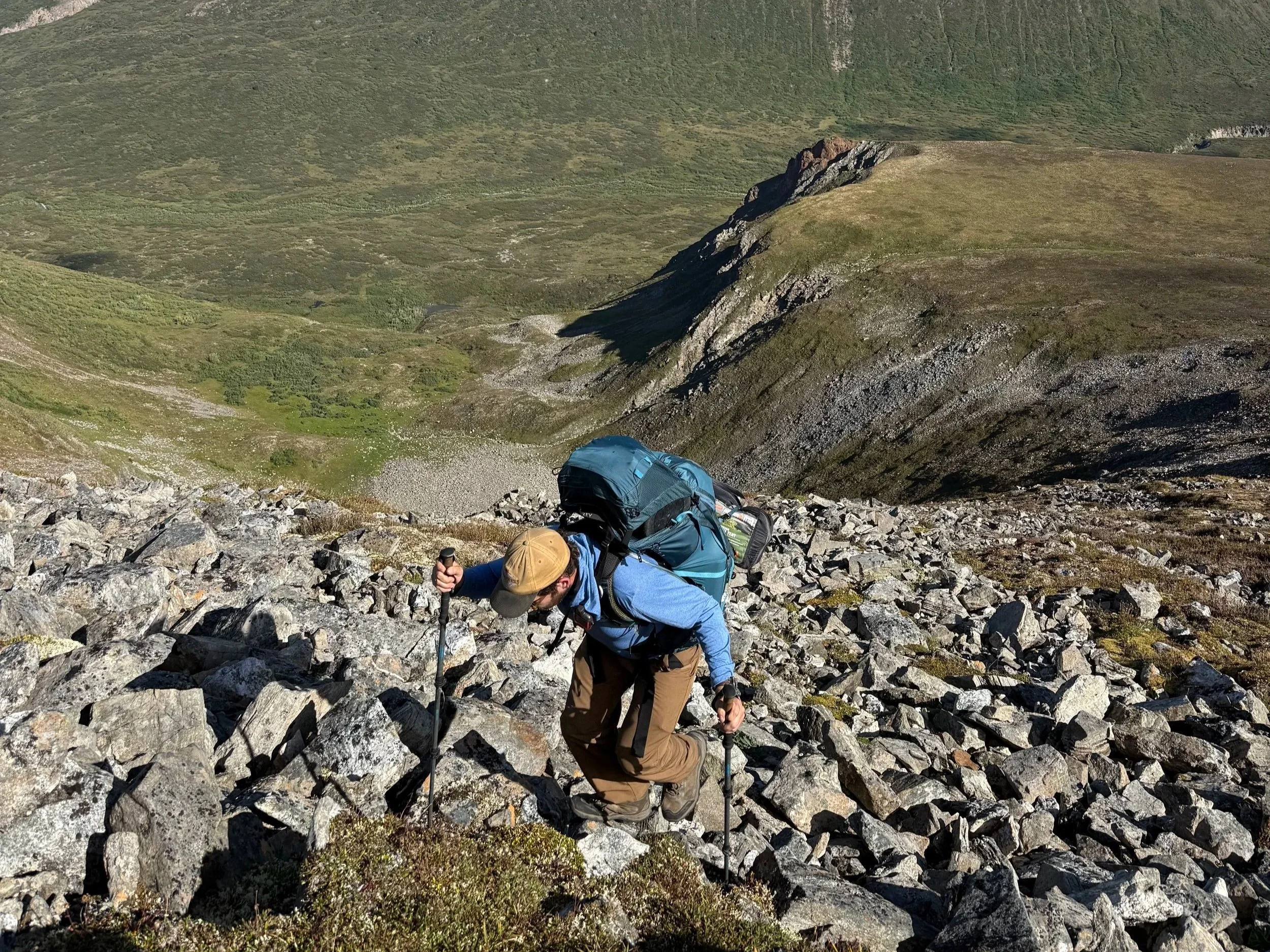
The treacherous talus we conquered
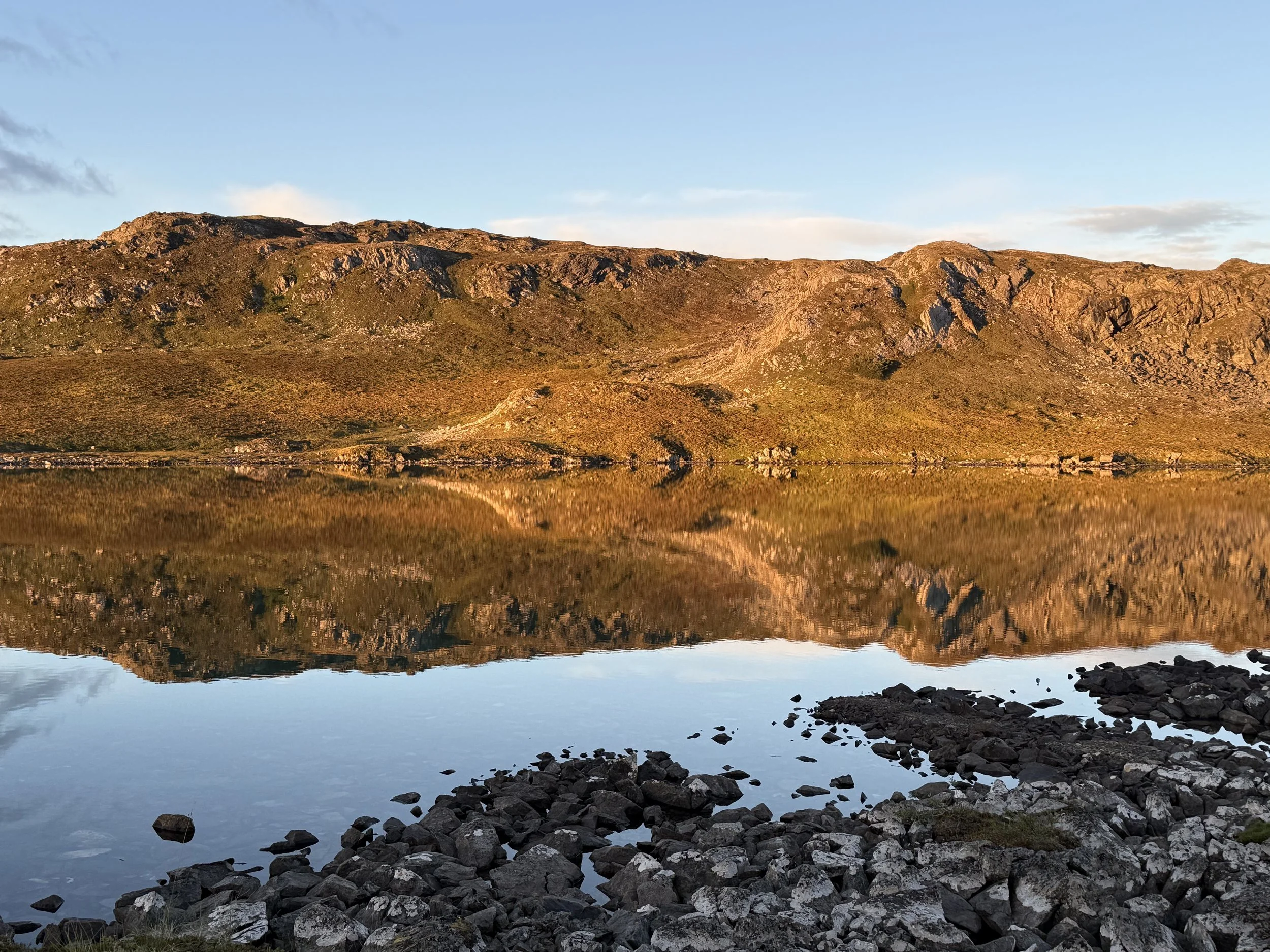
Sunsetting over a perfect reflection pond
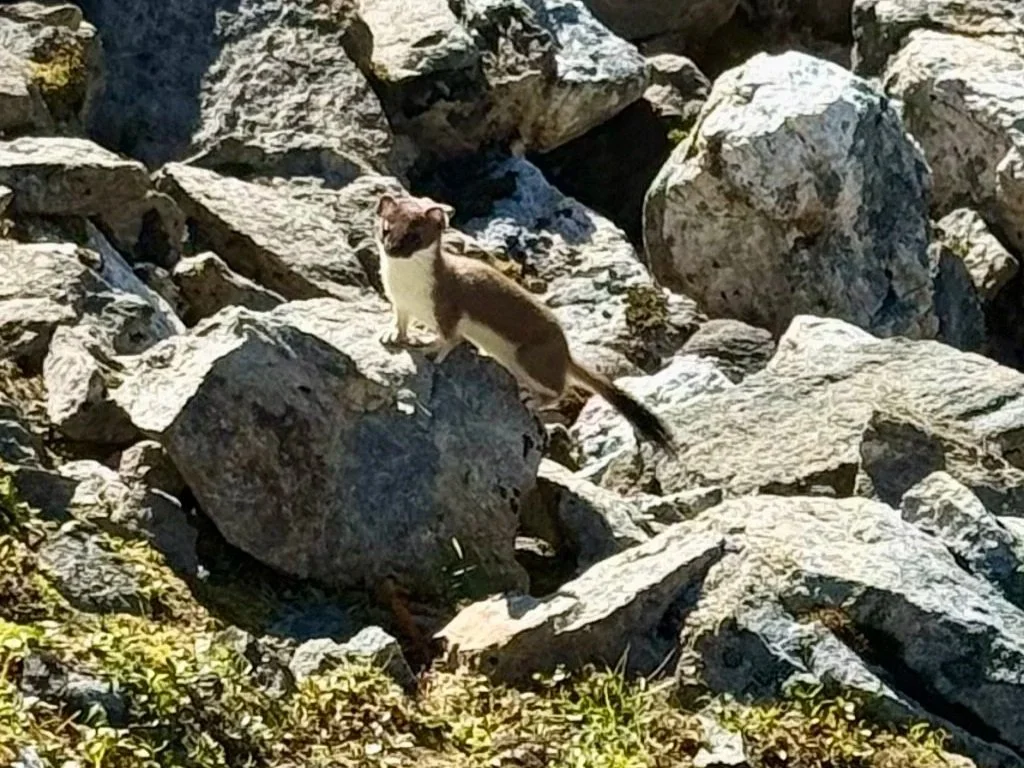
Mustela erminea —also commonly known as the short-tailed weasel, stoat, or ermine. A little guy with a long list of names!
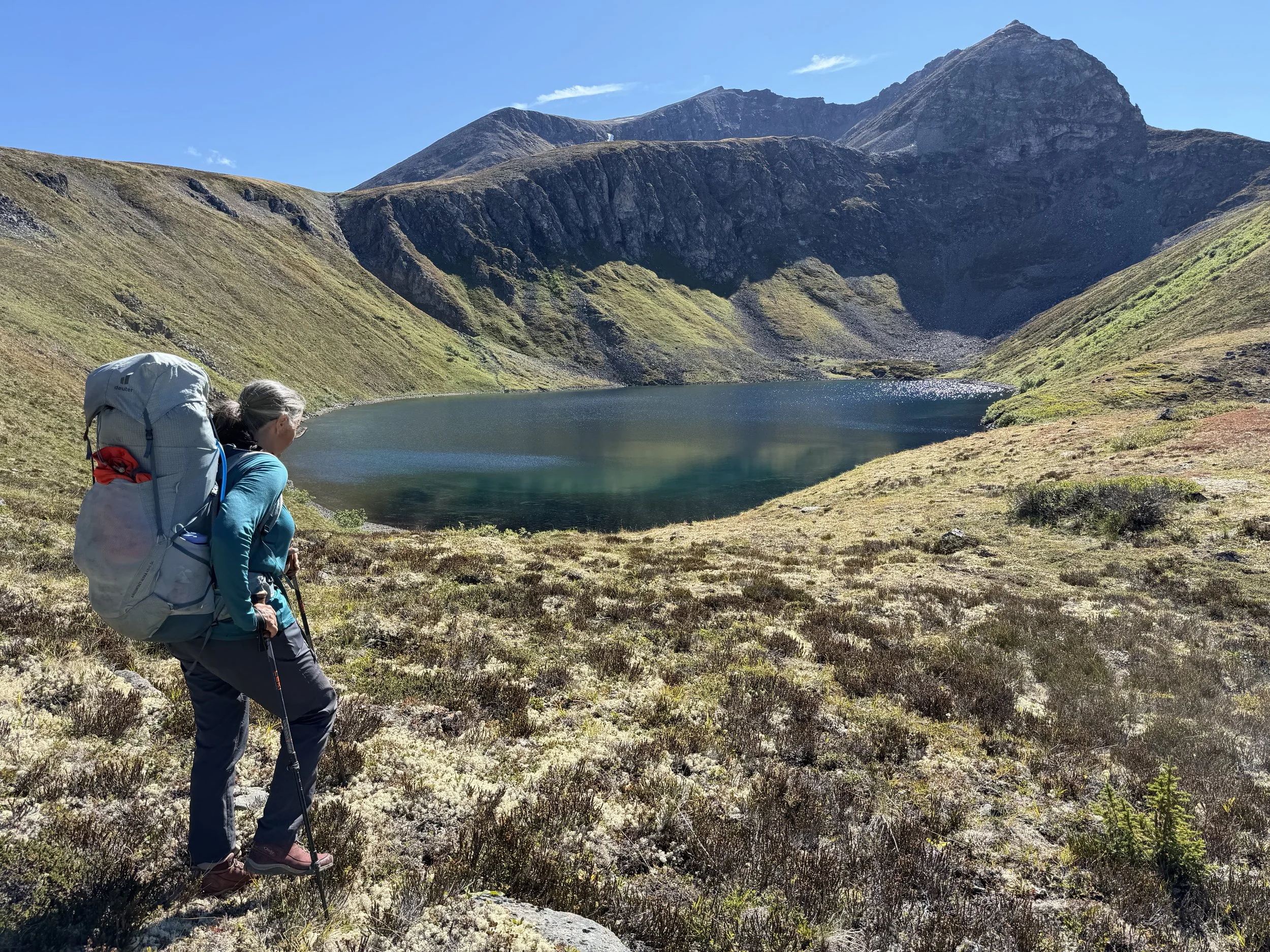
One of many beautiful alpine lakes in the Steamboat Hills! A trip in Wrangell St. Elias means you’re certain to have the lake to yourself!
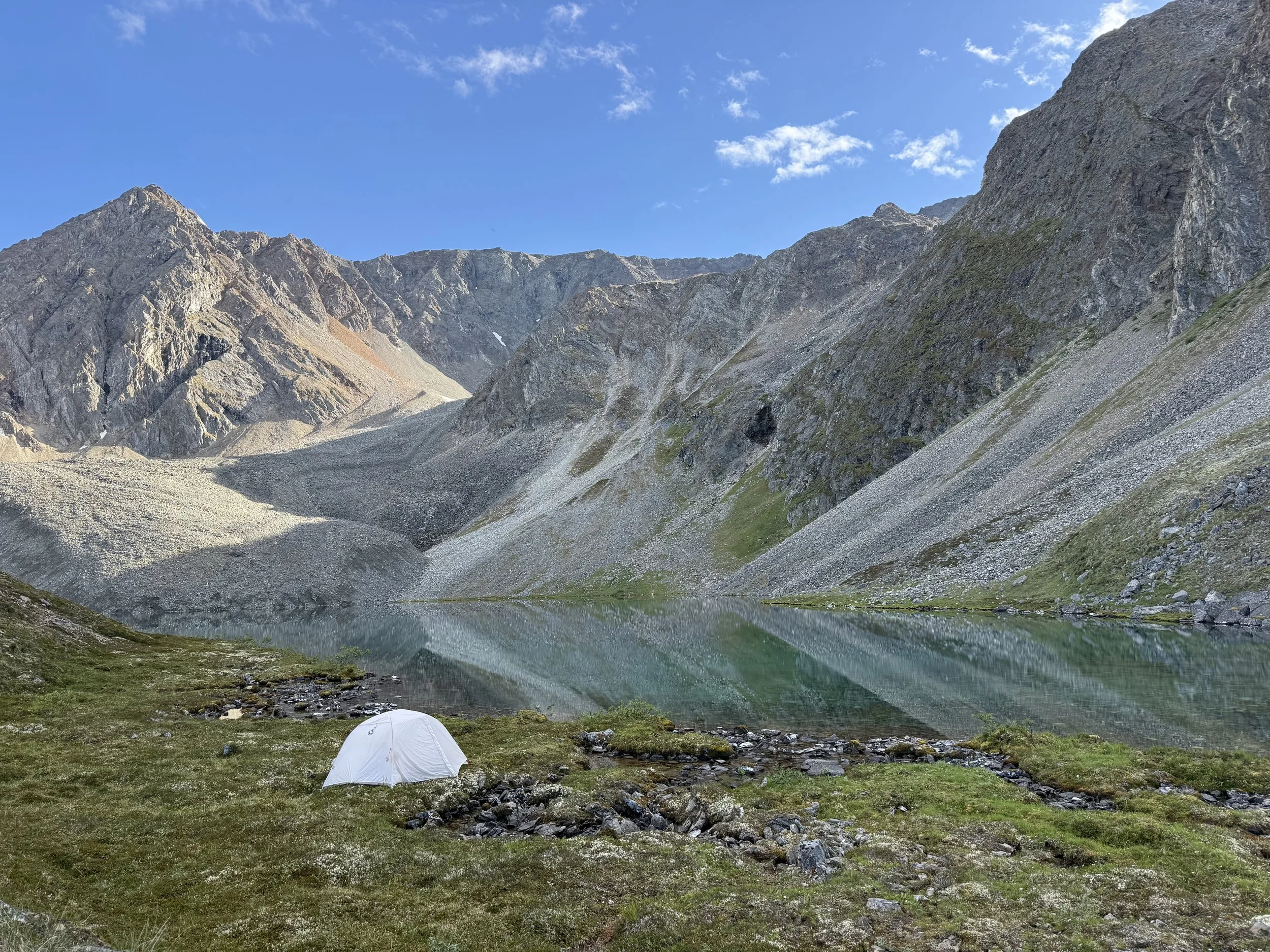
You just can’t beat a backcountry campsite in Alaska!
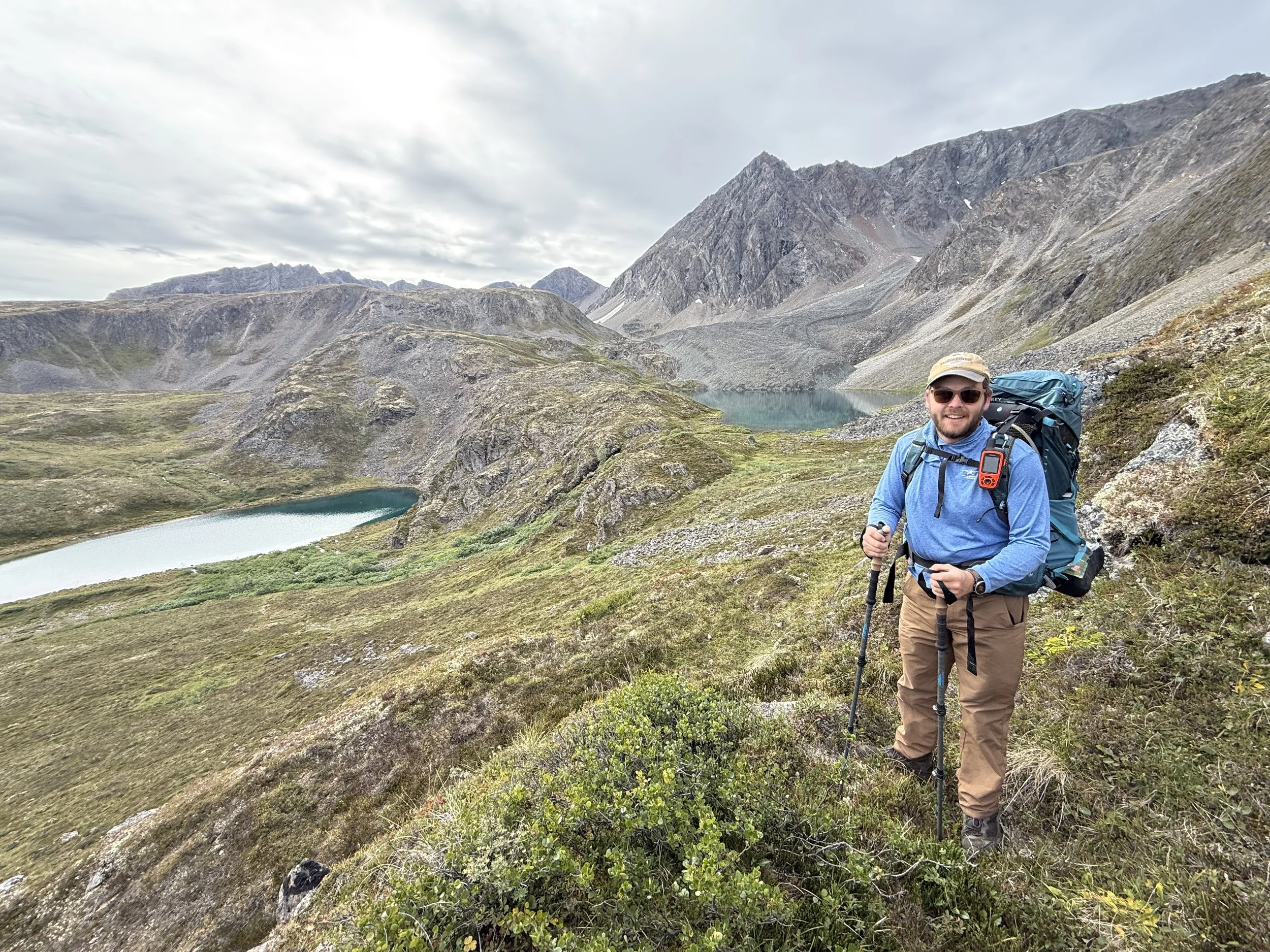
Keane excited to hit the “trail”
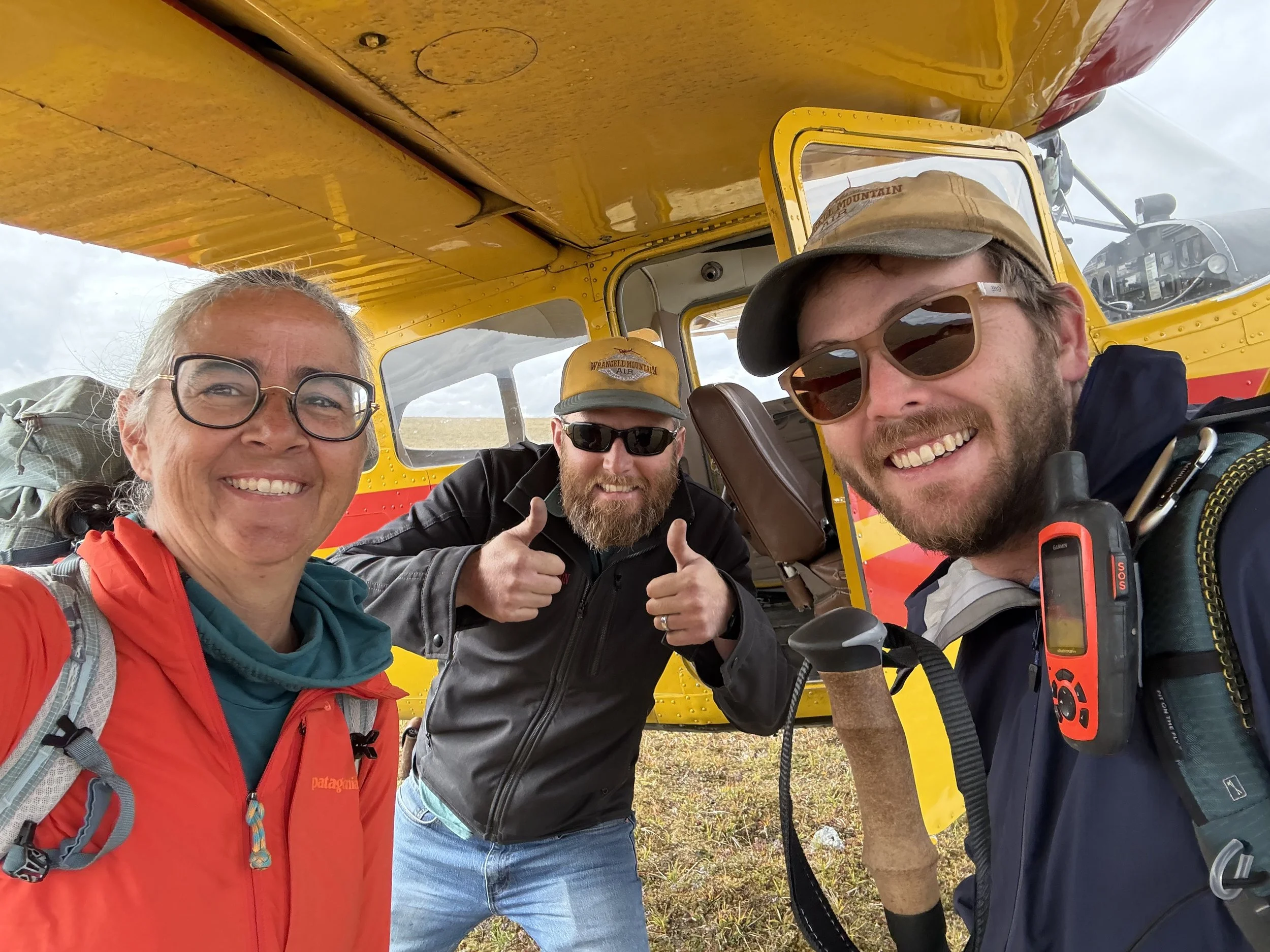
Another successful point to point for Molly & Keane in the books! Thank you Austin for the ride!